Navigating the Bethlehem Property Market: A Local Guide to Historic Charm and Modern Living
When I first moved to Bethlehem, Pennsylvania, I was struck by how much the city feels like a living museum. The historic Moravian buildings, the cobblestone streets, and the Lehigh River winding through town all create a sense of place that's hard to find elsewhere. But as a real estate professional, I quickly learned that this charm comes with its own set of rules. The bethlehem property market isn't just about buying a house; it's about understanding a community that values its past while adapting to the present.
I've spent years helping buyers and sellers navigate this unique landscape. What I've found is that Bethlehem demands a different approach than other Lehigh Valley towns. You can't just look at square footage and price per square foot. You have to consider the historic district regulations, the flood zones, and the cultural calendar that draws thousands of visitors every year. This is a market where a property's story matters as much as its structure.
The Historic Appeal and Its Practical Costs
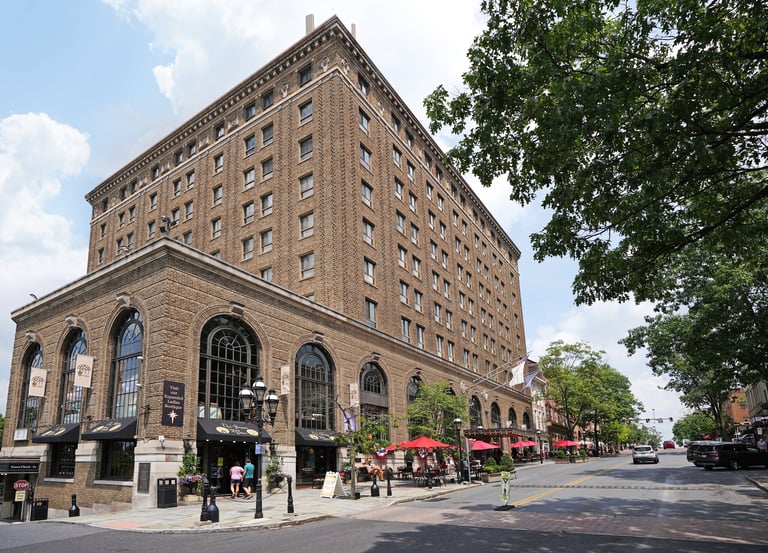
Bethlehem's historic districts are a major draw. Walking through the Main Street area, you see beautifully restored 18th-century homes, many with original woodwork and fireplaces. But owning one of these properties isn't for the faint of heart. I've worked with buyers who fell in love with the architecture only to discover that replacing a window or a roof requires city approval and often specialized contractors. The Historic Conservation Commission has strict guidelines, and that can delay projects and add costs.
For example, a client of mine bought a Federal-style home on Market Street. The house had original shutters that were rotting, but the commission required exact replicas in wood, not vinyl. That single project took six months and cost three times what a modern replacement would have. Yet when the work was done, the house looked incredible, and its value appreciated faster than comparable properties in non-historic zones. The trade-off is real: you pay more upfront and in maintenance, but the long-term equity and neighborhood stability are often worth it.
Understanding Neighborhoods and Price Points
The bethlehem property market isn't monolithic. The city is divided into distinct areas, each with its own character and price range. The South Side, home to Lehigh University, has a mix of student rentals and older homes that attract investors. Prices here are generally lower, but turnover is high and properties can be worn. The West Side, near the historic district, commands premium prices. A three-bedroom colonial there can easily top $400,000, and inventory is tight. The North Side, near Bethlehem Township, offers newer construction and more space for the money, but you lose some of that historic feel.
I've noticed a trend over the past few years: more buyers are coming from out of state, especially from New York and New Jersey. They're drawn by the lower taxes and the sense of community. But they often underestimate how competitive the market can be. A well-priced home in a desirable neighborhood can receive multiple offers within days. I've seen bidding wars push prices 10 to 15 percent above asking. For sellers, this is great news. For buyers, it means being pre-approved and ready to move fast.
Key Considerations for Buyers
- Get a home inspection that includes a sewer scope. Older homes often have tree roots in the clay pipes, and that can be a costly fix.
- Check the flood maps. Parts of the South Side and areas near the Lehigh River are in flood zones. Insurance can be expensive, and some lenders require it.
- Research the historic district rules before you make an offer. If you plan to renovate, know what's allowed.
- Work with a local real estate agent who knows the neighborhoods. A generic agent might miss the nuances that affect value.
- Don't skip the title search. Some properties have old easements or rights-of-way that can complicate things.
The Role of Cultural Events and Seasonal Cycles
Bethlehem's calendar is packed with events that affect the market. Musikfest, the city's ten-day music festival, brings over a million visitors to the area. That's great for the local economy, but it can make showings difficult in August. I've had clients who couldn't get into a house because the street was closed for a parade. On the flip side, the Christmas season, with its famous Christkindlmarkt, turns the city into a winter wonderland. That can be a selling point for buyers who want to be part of that tradition.
The seasonal cycle also affects pricing. Spring and early summer are the busiest times, with more listings and more buyers. Fall can be a good time for buyers because there's less competition and sellers who have been on the market for a while may be more motivated. Winter is slow, but I've found that serious buyers often get better deals because they're not competing with the crowds.
For Sellers: Timing and Presentation
- List in late April or early May to catch the peak spring market.
- Stage your home to highlight its historic features. A Victorian with original woodwork and a clawfoot tub will sell faster than one with modern upgrades that clash.
- Be prepared for inspections. Buyers in this market are often detail-oriented and will want to know everything about the property's condition.
- Price realistically. Overpricing can lead to a stale listing, and in a small market like Bethlehem, that can be hard to recover from.
The Impact of Development and Infrastructure
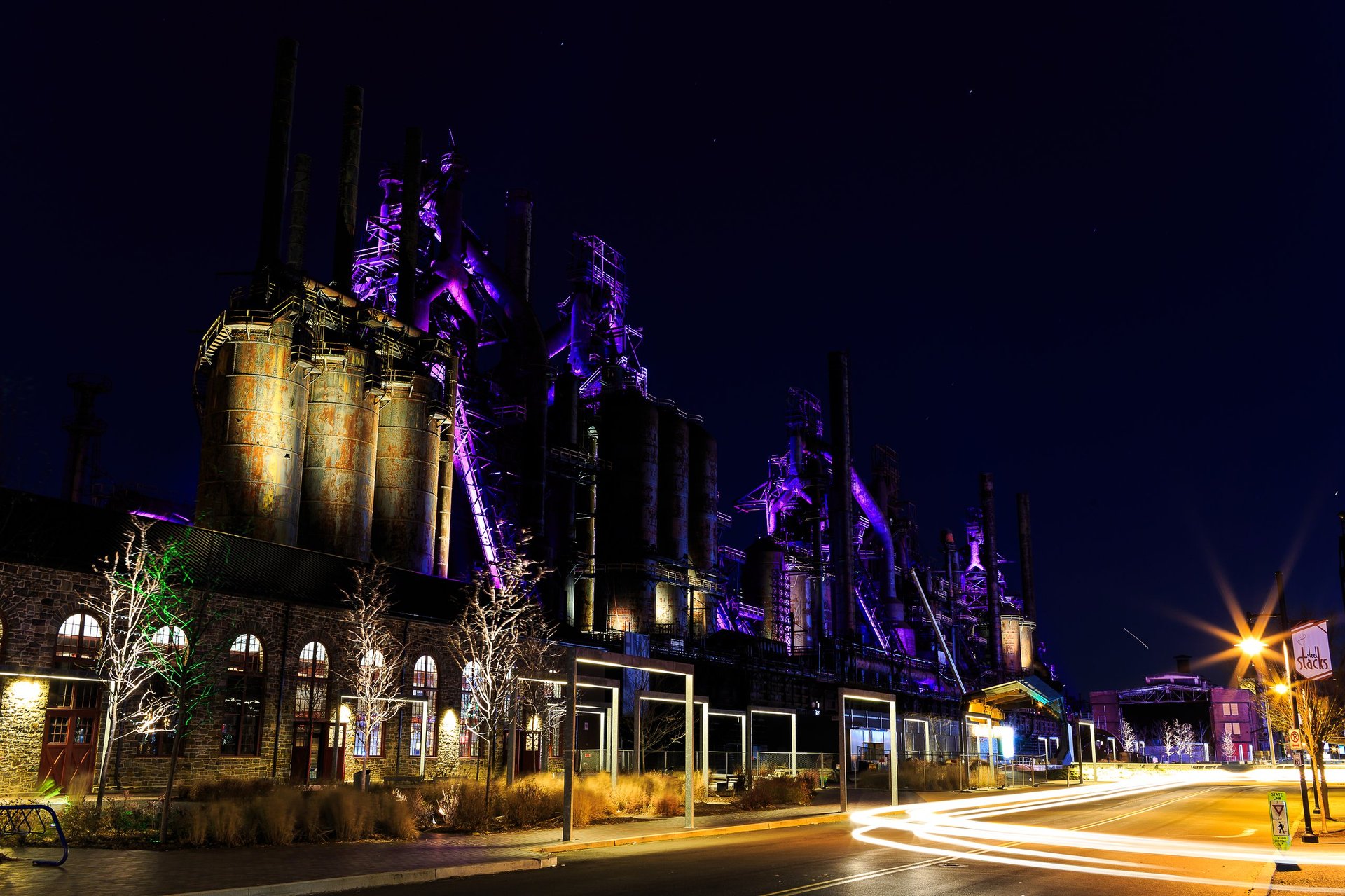
Bethlehem is growing. The old Bethlehem Steel site is being redeveloped into a mixed-use area with apartments, offices, and retail. That's bringing new residents and new jobs. As a result, the bethlehem property market is seeing increased demand for housing near the South Side and the downtown core. New construction is limited by land availability, which means existing homes are being renovated and flipped. I've seen houses that were in rough shape get completely redone and sell for double what they did five years ago.
But this growth also brings challenges. Traffic on routes like 378 and 412 can be heavy during peak hours. Parking in the historic district is a constant headache. And some longtime residents worry that the city is losing its character as developers build taller buildings and chain stores move in. For buyers, it's a balance between convenience and authenticity. Do you want to be walking distance to a Starbucks, or would you rather have a view of the Moravian church steeple?
Practical Advice for Navigating the Market
If you're considering a move to Bethlehem, start by spending a weekend here. Walk the neighborhoods, visit the local shops, and talk to people. The real estate market is a reflection of the community, and you need to know if this is a place where you can see yourself. Then, get pre-approved for a mortgage. Cash is king in a competitive market, but a strong pre-approval letter from a local lender can also carry weight.
When you do find a property, don't rush the due diligence. Check the age of the roof, the condition of the HVAC, and the water heater. In older homes, the electrical system may be outdated. Factor those costs into your offer. And be prepared to compromise. You might not find a house that has both a modern kitchen and original woodwork. Decide what matters most to you.
Final Thoughts
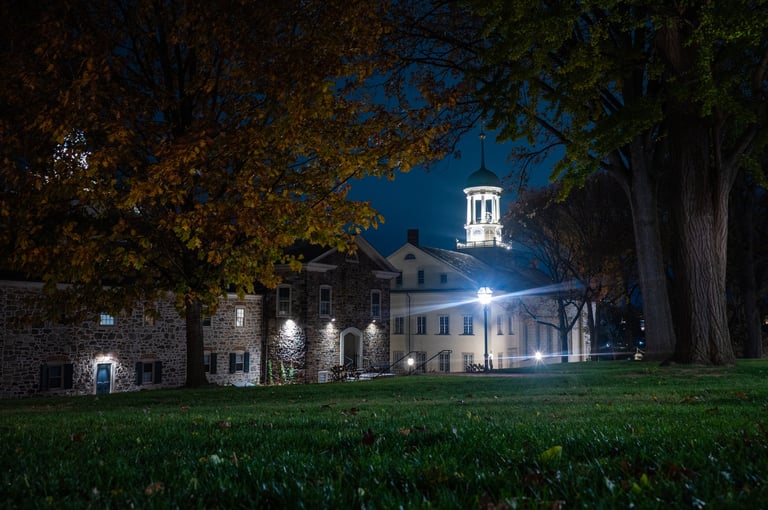
Bethlehem is a city that rewards patience and attention to detail. The property market here is driven by a mix of history, culture, and practical considerations. It's not the easiest market to navigate, but for the right buyer, it offers a lifestyle that's hard to match. Whether you're looking for a Victorian fixer-upper, a townhouse near the university, or a quiet suburban home on the North Side, understanding the local dynamics is key. Take your time, ask questions, and work with people who know the area. The effort you put in will pay off in a home that feels like it belongs.